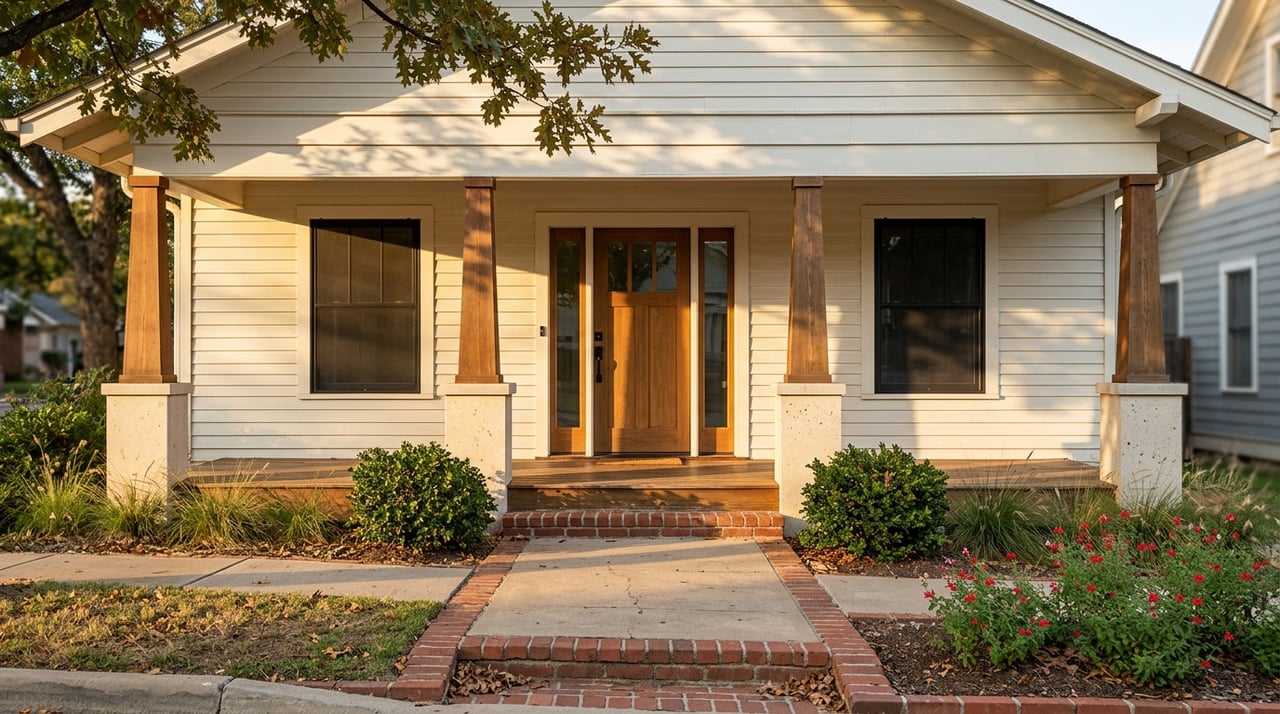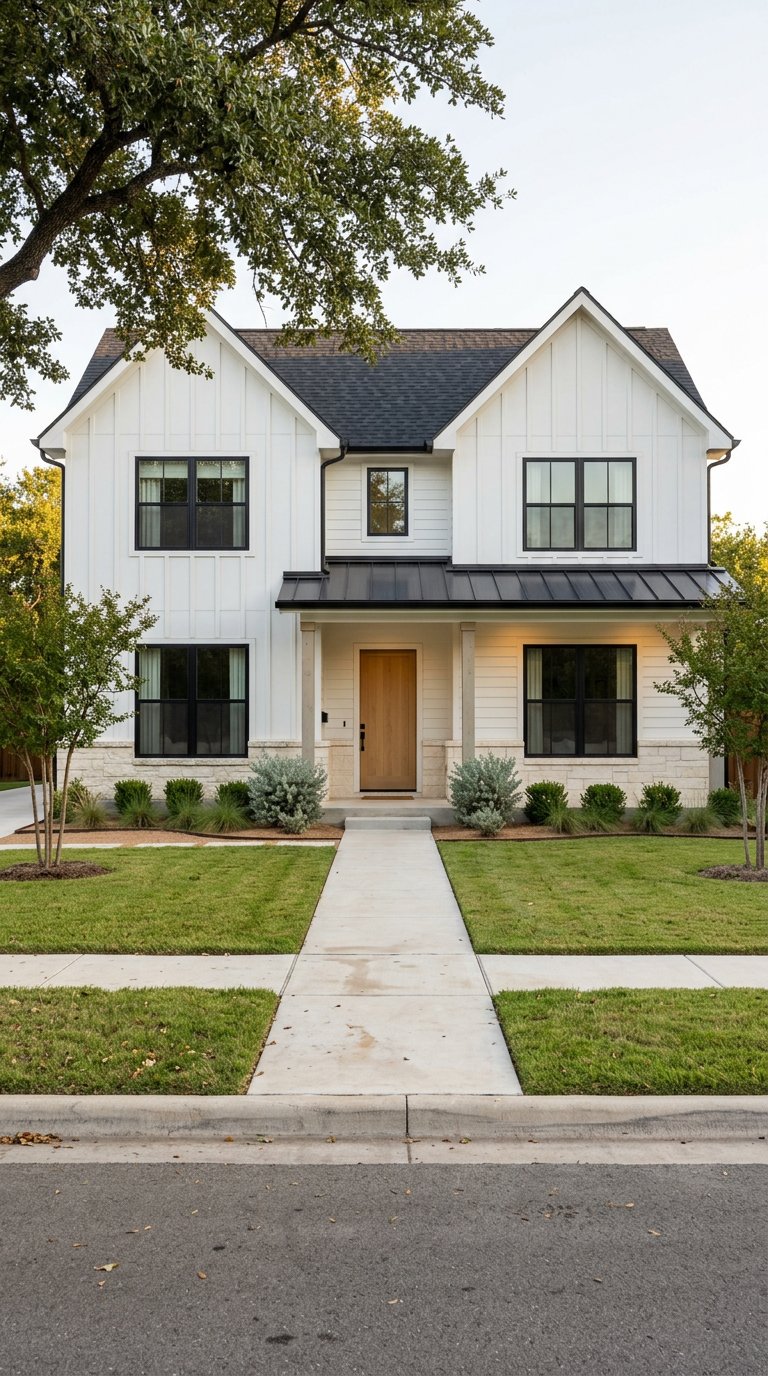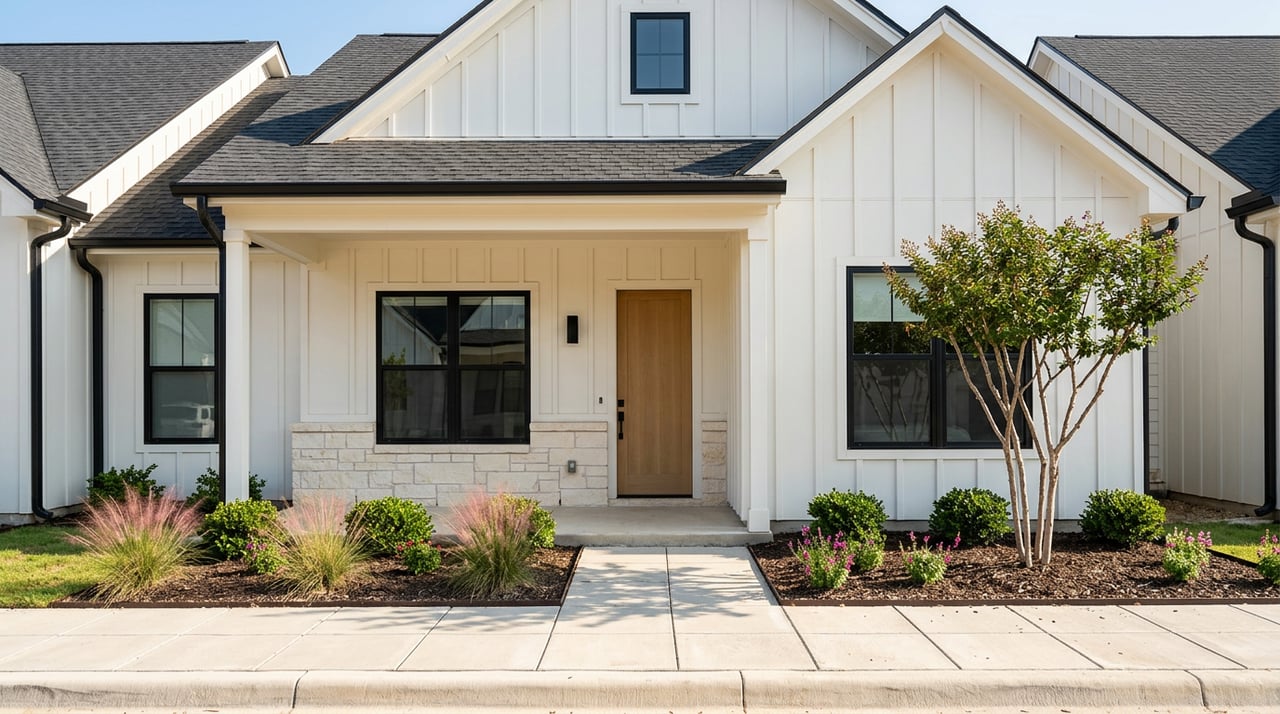
Are you ready to spend less time on yard work and more time enjoying Plano’s parks, restaurants, and community life? If you own a larger home and want a simpler setup, rightsizing to a lower‑maintenance townhome, condo, or smaller single‑family home can deliver more freedom without giving up the Plano lifestyle you love. In this guide, you’ll learn how to evaluate HOA communities, plan your finances and taxes, choose practical floor plans, and time your sale and purchase with confidence. Let’s dive in.
Why rightsizing works in Plano
Plano sits in the higher‑end band of Collin County housing. Typical values land in the low to mid 400s to 500s, with many neighborhoods closing in the 520k to 540k range in 2025. That equity often gives you flexibility to trade into a lock‑and‑leave property while protecting your budget.
Property taxes are a big part of your monthly costs. A typical combined Plano rate is often presented near 1.7% to 1.8% of taxable value, but your exact rate depends on your taxing districts and exemptions. You can confirm rates, see how values are calculated, and review homestead or senior exemptions through the Collin Central Appraisal District’s pages on tax rates and exemptions.
If you will sell your primary residence, the federal Section 121 exclusion can be a major factor in your net proceeds. Many sellers qualify to exclude up to $250,000 of gain if filing single or $500,000 if married filing jointly, provided you meet the 2‑of‑5‑years use and ownership requirements. See examples and eligibility details in IRS Publication 523.
Finally, many lower‑maintenance options in Plano include HOA fees. National data show HOA prevalence and dues have risen in recent years, with nearly 44% of U.S. listings now carrying HOA fees, according to a recent Realtor.com analysis. In Plano, older low‑amenity condos may charge under $200 per month, while amenity‑rich communities often range from the $300s to $500s per month or more. Your goal is to trade chores you no longer want for predictable, well‑managed dues.
What “lower maintenance” looks like
- Condos: The HOA typically maintains the exterior, roof, and common areas. You maintain the interior. This can be the lightest maintenance lifestyle if the HOA is well‑funded and governed.
- Townhomes: You often handle your interior and possibly a small patio or courtyard, while the HOA maintains roof and exterior elements. Duties vary by community, so read the documents closely.
- Smaller single‑family homes or patio homes: Private yards are smaller and easier to manage. Some neighborhoods include front‑yard maintenance in the HOA.
The right choice depends on the blend of privacy, amenities, and cost predictability you want.
How to vet an HOA in Texas
When you move into a condo or townhome, you are buying into a shared budget. Strong reserves and clear policies are essential. In Texas, you have a right to receive a resale disclosure package before closing. The Texas Property Code lists what must be included in the resale certificate for condominiums and planned communities. Review the statutory items at Texas Property Code §82.157.
Here is a practical HOA due‑diligence checklist:
Financial health
- Reserve study and percent funded. Ask for the most recent reserve study and what percent of the recommended balance is actually in reserves. Industry guidance from the Community Associations Institute views reserve funding as a key predictor of assessment risk. See CAI’s perspective on reserve studies and funding.
- Operating budget. Compare annual reserve contributions to the reserve study’s recommendations. Check for operating deficits and the owner delinquency rate.
- History of special assessments. Look for patterns of unexpected assessments in the past 3 to 5 years.
Insurance and risk
- Master policy type. Determine if the HOA insures “bare‑walls,” “walls‑in,” or “all‑in” coverage. This dictates what your personal policy should cover.
- Your policy. Most condo owners carry an HO‑6 policy, including loss‑assessment coverage to help with deductibles or shortfalls. Review the basics in Forbes Advisor’s HO‑6 overview.
- Deductibles. Ask for the master policy declarations page and the HOA’s deductibles for major perils.
Governance and records
- Professional management vs. self‑managed. Either can work, but clarity matters. Review the management contract terms and renewal dates.
- Board minutes and litigation. Read the last 12 months of board minutes for red flags and check for pending or recent lawsuits.
Documents to request and read line‑by‑line:
- Resale certificate and all required attachments
- Declaration, bylaws, and rules
- Current budget, year‑to‑date financials, and reserve balance statements
- Reserve study and capital plan
- Insurance declarations and master policy summary
- Board meeting minutes from the past year
Questions to ask the HOA manager or board
- What percent of the reserve study’s recommended funding does the HOA currently hold?
- When were the roof, parking areas, elevators, or exterior systems last replaced?
- What capital projects are expected in the next 2 to 5 years, and how will they be funded?
- What are the rental, pet, and architectural change policies?
- What is the current owner delinquency rate, and have dues increased in the past 2 years?
Floor plan, access, and storage that work long term
One‑level living is a favorite among Plano rightsizers. If you choose a townhome, look for a primary suite on the main level or a plan with an elevator or elevator‑ready shaft. Universal‑design features can make life easier today and support future resale: zero‑step entries, wider doors, curbless showers, lever handles, and reachable switches. For more ideas, browse aging‑in‑place resource guides like this home modification checklist.
Storage is a real‑world consideration in North Texas. Basements are uncommon in DFW due to local soil and foundation types, so think through seasonal storage, hobbies, and archives. The Dallas Morning News explains why basements are rare and how common foundation types work in our region in its overview of DFW foundation types.
Quick storage tips:
- Audit garage dimensions, attic access, and closet counts in your target homes.
- If off‑site storage is likely, budget it now. Plano self‑storage pricing often shows many small units under $100 per month, with 10×10 units commonly around the $70 to $130 range depending on climate control and promotions. You can compare current local pricing through resources like SpareFoot’s Plano page.
- Create a keep‑donate‑store plan before you list to reduce moving costs and make staging simpler.
Time your sale and purchase with less stress
In Texas, your contract will likely include an option period. Buyers pay a negotiated option fee for the right to terminate for any reason during that window, which is a key part of offer negotiations. For basics on timelines and forms, visit the TREC FAQs.
Here are three common sequencing strategies to consider:
- Sell first, then buy
- Pros: You know your final proceeds and avoid carrying two mortgages. This works well in a balanced market if you plan for temporary housing or negotiate a short seller leaseback.
- Cons: You risk missing a target property if something perfect hits the market before your home closes.
- Buy first, then sell
- Pros: Your offer on the new home can be non‑contingent and more competitive, especially in West Plano price tiers where sellers prioritize certainty.
- Cons: You must qualify for two mortgages temporarily, or use a bridge solution. Bridge and swing loans can help you buy before you sell, but they come with fees and higher short‑term interest. Review how these loans work in this overview of swing loans and costs.
- Make a contingent offer
- Pros: You are protected if your home does not sell in time. Many sellers will consider it with a clear timeline.
- Cons: Sellers often require a short contingency window or a kick‑out clause so they can keep marketing the home. Contingent offers can be less competitive in hot segments.
Typical underwriting timelines run 30 to 45 days for a financed purchase. If you hope to close both transactions the same day, ask your title company how they handle funding and disbursement and build in a cushion. Many Plano sellers plan for 2 to 3 weeks of overlap to keep move logistics smooth.
Example: see your net and monthly picture
This is a simple illustration to help you think through the math. Your exact numbers will vary.
- Target sale price: $600,000
- Estimated selling costs: 7% to 8% combined for commissions, title, and typical closing expenses
- Estimated loan payoff: based on your current mortgage balance
- Potential federal gain exclusion: up to $500,000 for married filing jointly or $250,000 for single filers if you meet Section 121 rules. See IRS Publication 523 for details.
- New home carrying costs: principal and interest, HOA dues if any, homeowners insurance, and property taxes. Confirm exemptions and rates with Collin CAD.
This quick exercise often clarifies whether a buy‑first or sell‑first path fits your comfort level.
Moving and budgeting tips
- Get 2 to 3 moving quotes early. Ask about off‑peak weekday pricing and packing services.
- Trim volume. Every box you remove reduces moving time and storage costs.
- Stage smart. Move non‑essentials to off‑site storage 2 to 4 weeks before listing to make your photography shine.
Local resources and next steps
- Taxes and exemptions: Review homestead and senior exemptions at Collin CAD’s tax and exemption pages.
- Contracts and timelines: Scan the TREC FAQs to understand the option period and typical deadlines.
- HOA due diligence: Learn reserve study basics through CAI’s reserve study guidance, and review insurance needs with Forbes’ HO‑6 explainer.
- Storage planning: Check local rates on SpareFoot’s Plano page and measure garage and attic capacity during showings.
Next steps checklist:
- Ask for a market analysis of your Plano neighborhood to estimate list price and timing.
- Decide your path: sell first, buy first, or contingent. Loop in your lender to confirm qualification options.
- If targeting an HOA community, request the resale package early and review reserves, insurance, and minutes.
- Price insurance: get HO‑6 quotes if considering a condo and confirm the HOA master policy deductibles.
- Walk homes with an eye on one‑level living, no‑step entries, and storage capacity.
- Build a moving calendar that accounts for a 30 to 45 day loan process plus 2 to 3 weeks of buffer.
If you want a low‑maintenance move with low surprises, you deserve detail‑driven guidance from search to close. For a custom rightsizing plan, a clear read of HOA risks, and polished marketing for your current home, connect with Suzanne Millet-Realtor. Get Your Instant Home Valuation and start your next chapter with confidence.
FAQs
What does rightsizing in Plano usually cost each month?
- Your monthly total often includes mortgage or rent, property taxes, homeowners insurance, and any HOA dues. In Plano, a typical combined tax rate is often presented near 1.7% to 1.8% of taxable value, and HOA dues commonly range from under $200 to $500+ per month depending on amenities. Verify exact numbers for each property.
How do I evaluate a Texas HOA before I buy a condo or townhome?
- Request the full resale certificate with governing documents, current budget, reserve study, insurance declarations, and board minutes. Confirm reserve funding levels, master policy type and deductibles, delinquency rates, and any planned capital projects. See Texas Property Code §82.157 for required disclosures.
Do I need special insurance when I move into a condo?
- Most condo owners carry an HO‑6 policy to cover interior finishes, personal property, liability, and loss‑assessment coverage for HOA deductibles or shortfalls. Match your coverage to the HOA’s master policy type. Review the basics in Forbes Advisor’s guide.
What is the Texas option period and why does it matter?
- The option period is a negotiated number of days during which a buyer can terminate for any reason in exchange for an option fee. It shapes inspection timing and negotiation strategy. See the TREC FAQs for details on timelines and forms.
Are basements common in Plano, and how should I plan storage?
- Basements are uncommon in North Texas due to local soil and foundation practices. Plan for storage in garages, attics, and closets, and consider off‑site storage. Learn more in the Dallas Morning News overview of DFW foundation types.
What are my options if I want to buy before I sell?
- If you can carry two mortgages or use a bridge loan or swing loan, a buy‑first approach can strengthen your offer. These loans have added costs and short‑term interest, so compare carefully. See this primer on swing loans and costs.