Thinking about making Denton home? You get lively college-town energy, a historic downtown square, and real value compared to some nearby suburbs. Whether you want walkability, planned-community amenities, or character-filled historic streets, Denton gives you clear choices. In this guide, you’ll see how neighborhoods differ, what daily life feels like, and what local homes typically look and cost. Let’s dive in.
Denton at a glance
Denton counts about 166,000 residents and blends a true university vibe with small-city convenience. Two campuses shape the culture and calendar: the University of North Texas and Texas Woman’s University. UNT’s music program adds a steady stream of performances and local talent.
You have multiple commute options. Citywide, the mean travel time to work hovers around the mid‑20‑minute mark, but Dallas commutes can run longer depending on traffic. The DCTA A‑train connects Downtown Denton to Trinity Mills in Carrollton for an easy transfer to DART’s light rail into Dallas. Scheduled A‑train trips are roughly 42 to 44 minutes end to end, and you should plan a buffer for transfers and wait times.
- City snapshot: U.S. Census QuickFacts for Denton
- A‑train overview: DCTA A‑train service and Trinity Mills connection
- Timetable: A‑train schedule and stop list
Where to live: Denton neighborhoods
Downtown and the Square
Downtown centers on the historic Courthouse-on-the-Square, with walkable blocks of restaurants, coffee shops, and indie retail. You’ll find regular markets and live music in and around the square. Housing close to downtown ranges from small historic homes to limited condo conversions and infill apartments.
University and Fry Street area
Near UNT and TWU, the blocks around Fry Street and East College buzz late into the evening. Expect a steady student scene, plus bars and live-music spots. Housing often skews to rentals, small apartments, and multi-bedroom homes configured for roommates.
Historic districts near downtown
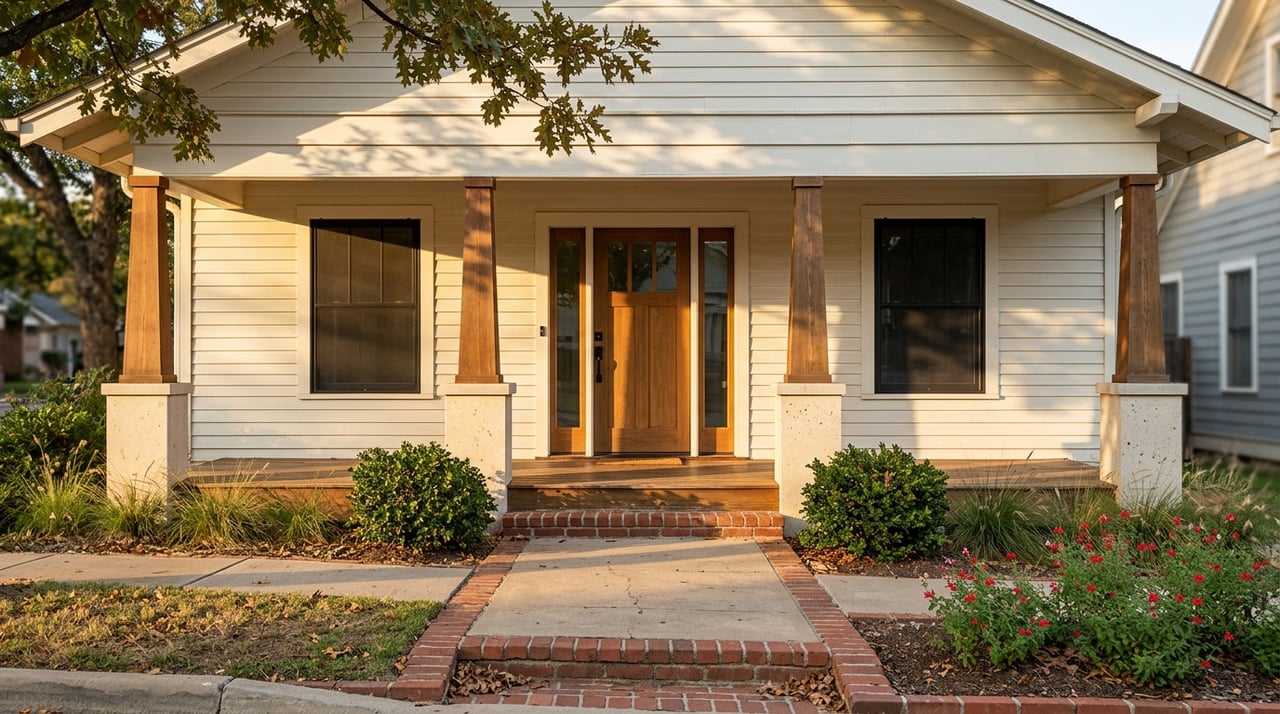
Neighborhoods like Old North, West Oak, and Ryan Place feature mature trees and architecture that includes Craftsman bungalows, Victorian/Queen Anne, and early 20th‑century styles. These areas appeal if you love character and want shorter trips to the square and campuses. Select streets carry local historic designation, so it’s smart to check any renovation rules when you buy.
Suburban and master‑planned
If you want newer construction and amenities, look at areas such as Country Lakes, The Preserve at Pecan Creek, Oakmont, Denia, and the active‑adult community Robson Ranch. These neighborhoods often offer pools, trails, and organized HOA spaces. Homes tend to have modern layouts, open kitchens, and larger garages, with price points that reflect the planned amenities.
Southeast Denton and Quakertown
Southeast Denton includes Quakertown Park and an important chapter of local history. Quakertown was a historically Black neighborhood that was displaced in the early 20th century; the park now serves as a civic green with interpretive elements. If you enjoy learning the story behind a place, this is a meaningful stop for context.
- Learn more: A walk through Quakertown history
Culture and daily life
Music and the arts
Denton’s music scene is a defining feature. The UNT College of Music, including its famous lab bands, fills the calendar with performances and helps power local venues and events.
- Program background: UNT College of Music
Big events worth planning for
One of the city’s marquee traditions is the free Denton Arts & Jazz Festival. It brings multi‑stage music, art vendors, and plenty of food to town each year and draws visitors from across North Texas.
- Festival details: Denton Arts & Jazz Festival
Parks, trails, and green space
You have easy access to trails, lakes, and nature areas in and around Denton. Local favorites include South Lakes Park, the DCTA Rail Trail, and Clear Creek Natural Heritage Center’s pathways. For a quick overview of places to explore, check this local roundup of top parks and trails.
- Trail roundup: 9 unique trails and parks in Denton
Food and the community market
Weekends often start at the Denton Community Market, a producer-only market with local foods, crafts, and music. Around the square you’ll find independent restaurants, coffee shops, and occasional food-truck clusters that keep things lively.
- First-timer’s guide: Denton Community Market
Housing styles you’ll find
Denton’s housing stock is diverse, which makes it easier to match your style and budget.
- Older homes: You’ll see Craftsman bungalows, Victorian/Queen Anne, simple early‑1900s cottages, and some mid‑century homes. Many sit on walkable grids with mature trees near downtown and UNT.
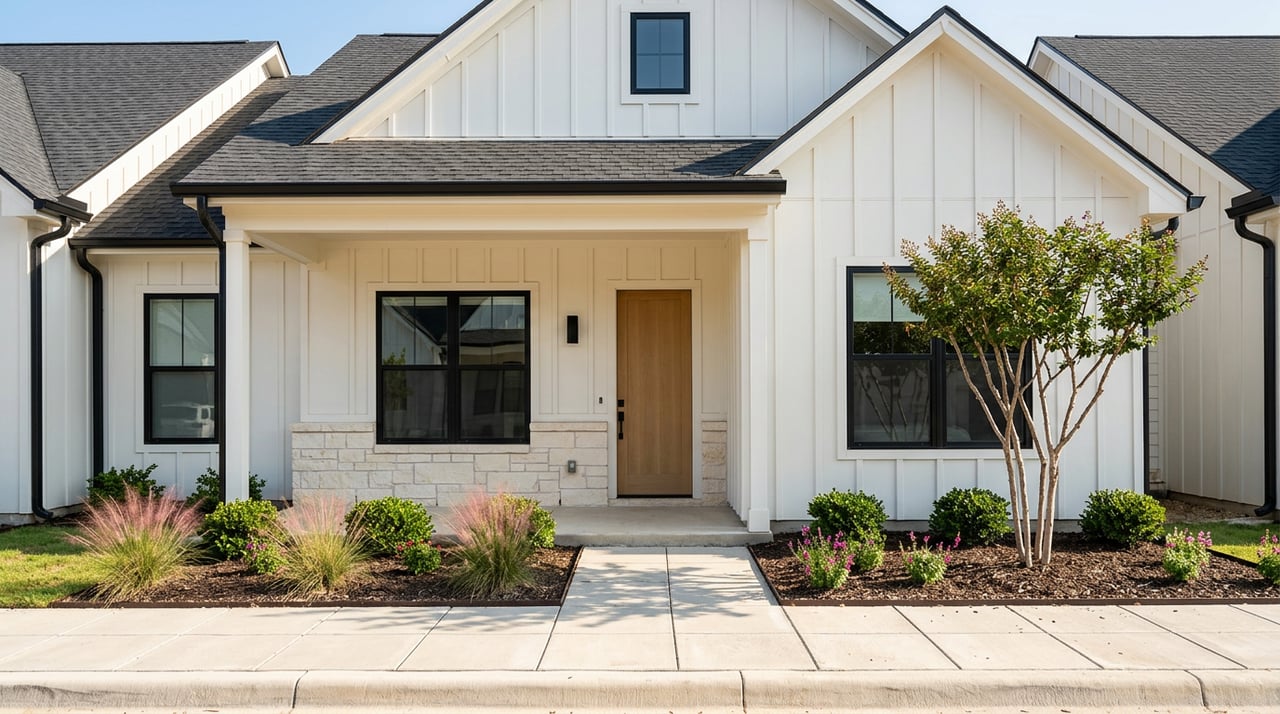
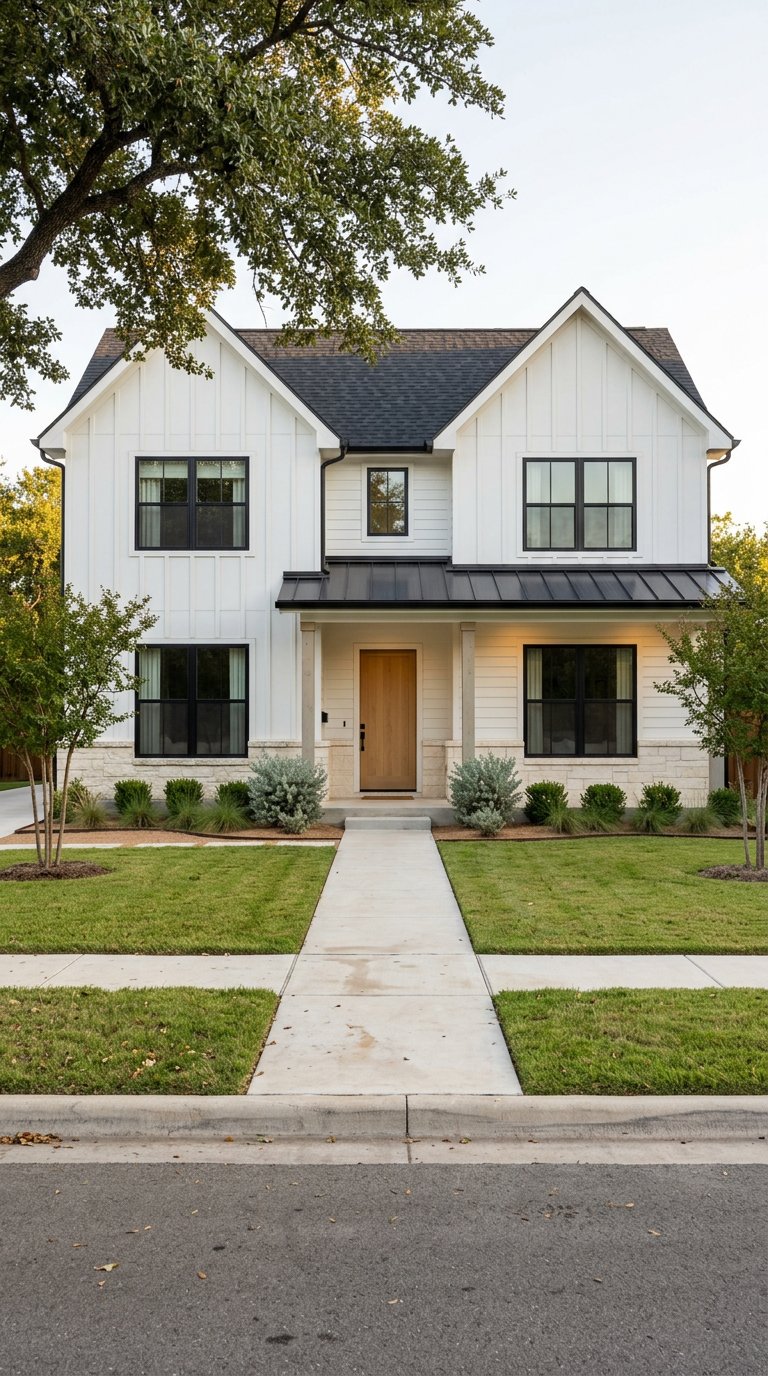
- Newer homes: In master‑planned and suburban areas, expect contemporary Texas traditional and modern‑farmhouse influences, open floor plans, larger primary suites, and neighborhood amenities. Near downtown, you’ll also spot some modern infill townhomes and condos.
- Student‑oriented inventory: Around the universities, you’ll find small apartment buildings, duplexes, and houses configured for roommates.
What homes cost in Denton right now
As of February 2026, Zillow pegs the typical Denton home value around the mid‑$300Ks, with one recent citywide figure near $347,893. Realtor.com’s January–February 2026 snapshot shows a median list price in the high $300Ks and a citywide median rent around $1,465. Neighborhood medians vary: Denia has charted around the high $300Ks, while Robson Ranch often runs higher, and planned communities like Country Lakes and The Preserve at Pecan Creek commonly list above older in‑city areas.
- City values: Zillow’s Denton home‑values page
- Market snapshot: Realtor.com Denton market page
Market numbers change. Check a current MLS search or connect with a local agent for the latest.
Commute and connectivity
If you work in Denton proper, you may enjoy a relatively short drive. Commuting into Dallas typically takes 40 to 60 minutes or more by car, depending on time of day. The DCTA A‑train runs from Downtown Denton to Trinity Mills in Carrollton, where you can transfer to DART’s Green or other lines into Dallas. Give yourself buffer time for transfers and headways.
- A‑train overview: DCTA A‑train service
- Timetable: A‑train schedule PDF
How to choose your Denton fit
- Love walkability and live music? Start with Downtown and nearby historic streets.
- Want newer finishes and amenities? Tour Country Lakes, The Preserve at Pecan Creek, Oakmont, Denia, or Robson Ranch.
- Prefer character homes? Focus on Old North, West Oak, Ryan Place, and pockets near the square.
- Need a student‑friendly setup? Stay close to Fry Street, East College, and the university corridors.
- Commuting to Dallas? Test the A‑train plus DART on a typical workday and compare it with driving at your usual hours.
If you want a second set of eyes on neighborhood fit, renovation rules, or price strategy, reach out to Suzanne Millet-Realtor for contract‑savvy, concierge‑level guidance across Denton and North Dallas.
FAQs
Is Denton more affordable than Plano or Frisco?
- Generally yes at the city level, with Denton’s typical values in the mid‑$300Ks as of early 2026; always compare current city-to-city numbers and confirm the date and source.
What’s the commute from Denton to Dallas like?
- Driving can take 40 to 60 minutes or more depending on traffic; the DCTA A‑train to Trinity Mills plus DART light rail is an option, but plan for transfer and wait times.
Where do university students typically live in Denton?
- Many live near UNT and TWU in the Fry Street and East College blocks, where rental homes, small apartment buildings, and student‑oriented options are common.
Which Denton neighborhoods are popular for newer homes and amenities?
- Country Lakes, The Preserve at Pecan Creek, Oakmont, Denia, and Robson Ranch often appeal to buyers looking for planned amenities and newer construction.
What are typical Denton rents and home prices right now?
- Realtor.com’s early‑2026 snapshot showed a median rent around $1,465 and a median list price in the high $300Ks; verify the latest numbers before you shop.