If you want a Dallas neighborhood with real character, Oak Cliff tends to get your attention fast. You can feel its mix of history, local energy, and creative spirit block by block, whether you are browsing Bishop Arts, walking past early 20th-century homes, or heading toward downtown for work or play. If you are wondering what it is actually like to live here, this guide will help you understand Oak Cliff’s layout, lifestyle, housing, and market context so you can make a more confident move. Let’s dive in.
Why Oak Cliff Stands Out
Oak Cliff sits on the south side of the Trinity River, about two miles south of downtown Dallas. According to the Texas Almanac overview of Oak Cliff, the area began as Hord’s Ridge in 1845 and became Oak Cliff in 1887, with early growth tied to streetcar-era development and residential expansion.
That history still shapes daily life today. Instead of feeling like one uniform neighborhood, Oak Cliff is better understood as a collection of distinct pockets with a shared identity rooted in historic streets, local businesses, and strong neighborhood character.
Oak Cliff Is a Collection of Pockets
One of the most important things to know before you buy or sell in Oak Cliff is that the area is not one-size-fits-all. The Texas Historical Commission’s district context points to places like Bishop Arts, Winnetka Heights, Lake Cliff, King’s Highway, and Tenth Street as key parts of Oak Cliff’s historic residential fabric.
That means your experience can vary a lot depending on where you land. Some pockets are centered on walkable retail and dining, while others are more residential, with bungalow-lined streets and a quieter neighborhood rhythm.
For buyers, that variety can be a major advantage. You have more than one path into Oak Cliff living, and your home style, budget, and day-to-day priorities can shape which pocket feels like the right fit.
Bishop Arts Brings Urban Energy
When people picture Oak Cliff’s buzz, they are often thinking of Bishop Arts. Visit Dallas describes Bishop Arts as one of the city’s most unique districts, known for boutiques, restaurants, bars, coffee shops, and galleries.
This part of Oak Cliff has a dense, neighborhood-scaled feel that appeals to people who want local flavor over chain-heavy convenience. Historic storefronts, murals, and independently owned businesses give the district a distinct identity that feels active without losing its neighborhood roots.
Featured spots highlighted by Visit Dallas include Spinster Records, We Are 1976, Bishop Street Market, The Wild Detectives, Gloria’s Latin Cuisine, Zen Sushi, Oddfellows, Eno’s Pizza Tavern, Lockhart Smokehouse BBQ, Lucia, and Veracruz Café. The district also hosts recurring events through the local merchant community, including Wine Walks and Bastille Day programming.
Dining and Shopping Feel Local
A big part of Oak Cliff’s appeal is that many of its most visible businesses feel specific to the area. In Bishop Arts especially, your errand run can easily turn into coffee, dinner, or an afternoon of browsing locally owned shops.
That matters if you want a neighborhood where daily life feels engaging close to home. Instead of driving across the city for every outing, you may find that some of your favorite places are within a compact district built for repeat visits and casual weekends.
Arts and Culture Run Deep
Oak Cliff is not just about restaurants and retail. It also has a meaningful cultural backbone that adds to its long-term appeal and gives the area a more layered identity than a simple dining destination.
The City of Dallas cultural venues page highlights the Oak Cliff Cultural Center on Jefferson Boulevard as a storefront arts center with exhibitions, music and dance classes, and public programs. Nearby, the historic Texas Theatre opened in 1931, and The Kessler Theater on West Davis, originally built as an Art Deco movie house in the 1940s, now operates as a listening-room venue.
For residents, this kind of arts access can shape how the neighborhood feels week to week. It gives Oak Cliff a creative rhythm and a stronger sense of place than you might expect from a single Dallas district.
Historic Homes Define the Area
If you love homes with architectural personality, Oak Cliff has a lot to offer. The area’s housing stock is one of its strongest draws, especially in historic districts where original character still plays a major role in curb appeal.
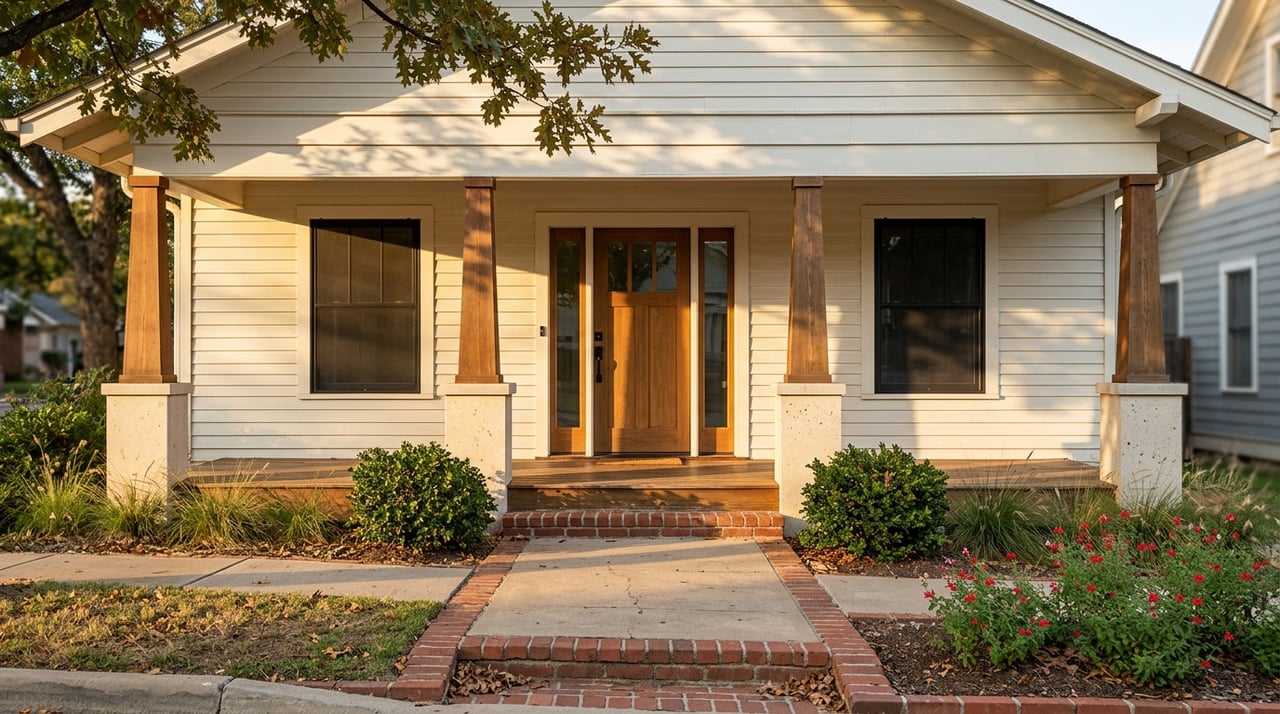
According to the Texas Historical Commission district details, Winnetka Heights is known for Prairie School and Bungalow/Craftsman homes. Lake Cliff includes many one- and two-story homes from the 1920s and 1930s, while King’s Highway features bungalows, four-squares, apartment buildings, and period revival influences. Tenth Street is noted as one of Dallas’ best-preserved African American communities, with vernacular historic homes along with Bungalow/Craftsman and revival-era styles.
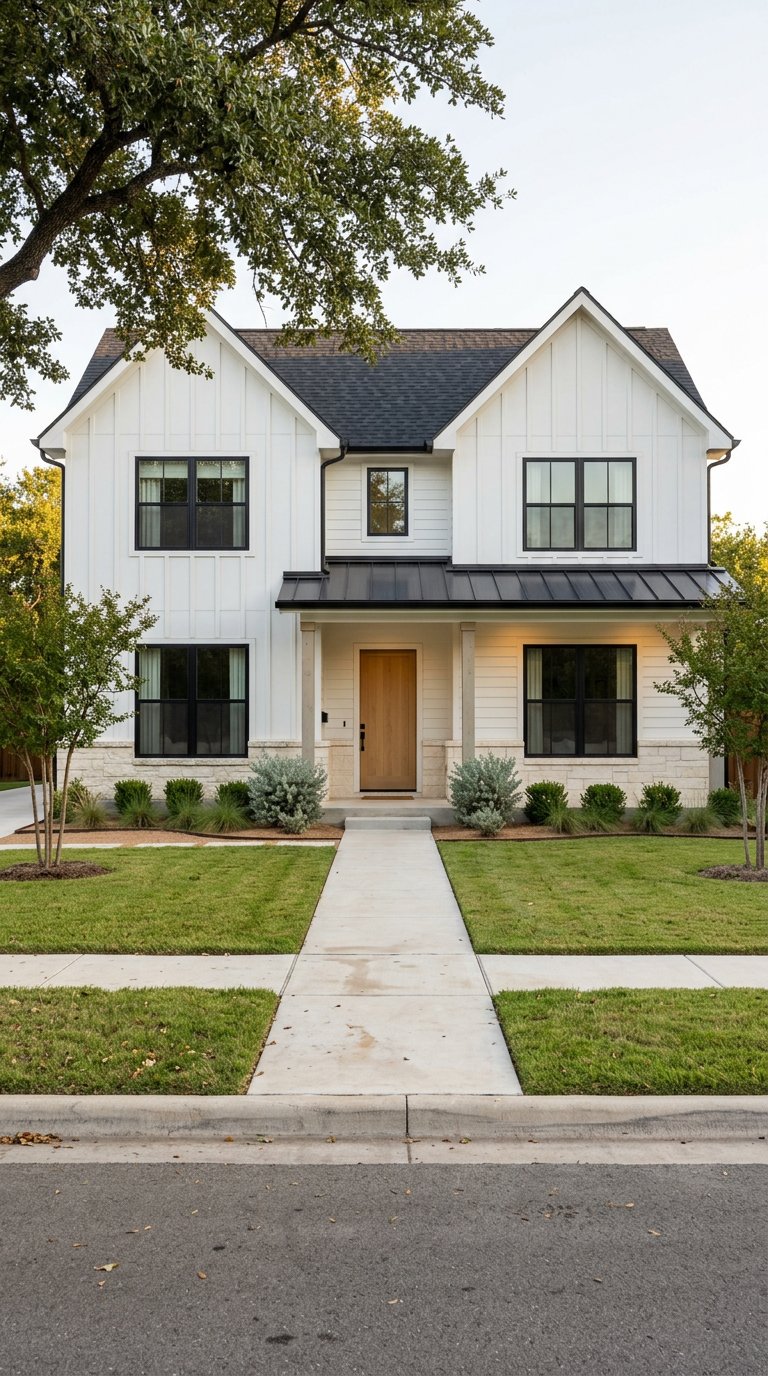
This range gives buyers more architectural choice than they might expect. You may find bungalows, Craftsman homes, Prairie School influences, four-squares, Tudor Revival details, and other early 20th-century forms, often within a relatively short drive of each other.
Daily Life Includes Green Space
Oak Cliff’s appeal is not limited to storefront districts and historic blocks. The area also offers useful access to parks, trails, and outdoor spaces that can balance out urban living.
The Dallas Park and Recreation listing for Lake Cliff Park notes that it is a 44.5-acre community park established in 1914. The same source also points to outdoor assets connected to the area, including Kiest Park Trail, which runs 2.8 miles through 264-acre Kiest Park, along with the Santa Fe Trestle Trail, Moore Park pavilion, and access toward the Great Trinity Forest corridor.
If outdoor time matters to you, that mix can make Oak Cliff feel more livable on a daily basis. It gives you options for walks, bike rides, open space, and skyline views without giving up close-in Dallas convenience.
Downtown Access Is a Real Advantage
For many buyers, Oak Cliff works because it combines neighborhood personality with practical location. You get historic streets and local culture, but you are still very close to the city core.
The DART Dallas Streetcar runs 2.45 miles and connects EBJ Union Station in downtown Dallas with the Bishop Arts District seven days a week. That direct connection helps reinforce one of Oak Cliff’s biggest strengths: you can stay plugged into downtown while living in an area that feels more distinct and residential.
This can be especially appealing if your routine mixes office commutes, social plans, and neighborhood-based living. Oak Cliff offers a setting that feels separate from downtown without feeling far away.
Oak Cliff Prices Vary by Pocket
From a housing perspective, Oak Cliff is best approached with nuance. Broad averages can be helpful, but they do not tell the whole story because different pockets can look very different in both housing type and price.
As of February 2026, Redfin’s Oak Cliff market data shows a broader Oak Cliff median sale price of $274,000, with homes averaging about 65 days on market and about one offer on average. In the same month, Dallas citywide was $410,000.
That said, pocket-level figures vary sharply. Redfin reported February 2026 median sale prices of $225,000 in Heart of Oak Cliff, $255,000 in West Oak Cliff, and $420,000 in North Oak Cliff. These boundaries are directional rather than a single neighborhood-wide price band, but they clearly show why Oak Cliff should not be treated as one flat market.
What Buyers Should Keep in Mind
If you are shopping in Oak Cliff, it helps to start with your lifestyle goals before narrowing your search. A buyer who wants restaurant access and a walkable district may focus differently than someone who wants a historic home on a quieter residential street.
It is also smart to compare pockets carefully rather than assume all Oak Cliff listings represent the same value. The area’s housing styles, lot patterns, and price points can shift quickly, so local context matters when you are judging a home, a block, or an asking price.
This is where clear guidance matters. When you understand the neighborhood pocket, the housing style, and the market data together, it becomes much easier to spot the right opportunity and avoid oversimplifying the decision.
What Sellers Should Know
If you are selling in Oak Cliff, your home benefits from a story that goes beyond square footage. Buyers often respond to the area’s architectural character, proximity to dining and arts, park access, and connection to downtown.
That means positioning matters. A thoughtful pricing strategy and polished marketing approach can help buyers understand not just the home itself, but also the specific pocket of Oak Cliff and the lifestyle that comes with it.
Because Oak Cliff varies so much from one section to another, neighborhood-specific analysis is especially important here. Sellers are often best served by a detailed, block-aware approach rather than a broad comparison that misses the differences between subareas.
Why Oak Cliff Continues to Draw Attention
Oak Cliff remains compelling because it offers something harder to manufacture than new construction polish alone. It has history, texture, and a sense of identity built from architecture, local business culture, arts venues, and proximity to the center of Dallas.
Just as important, it gives you options. Whether you are drawn to Bishop Arts energy, historic home styles, or the idea of living close to downtown in a neighborhood with its own voice, Oak Cliff offers a layered version of Dallas living that stands apart.
If you are thinking about buying or selling in Oak Cliff, working with a local advisor who understands both the lifestyle differences and the market details can make the process much smoother. Suzanne Millet-Realtor brings a detail-driven, neighborhood-focused approach to helping you navigate Dallas real estate with clarity and confidence.
FAQs
What is Oak Cliff like for daily living in Dallas?
- Oak Cliff offers a mix of historic residential pockets, locally owned dining and shopping, arts venues, parks, and relatively quick access to downtown Dallas.
What makes Bishop Arts in Oak Cliff so popular?
- Bishop Arts stands out for its historic storefronts, murals, boutiques, restaurants, coffee shops, galleries, and recurring neighborhood events promoted by the local merchant community.
What kinds of homes can you find in Oak Cliff?
- Oak Cliff includes bungalows, Craftsman homes, Prairie School houses, four-squares, revival-era homes, and other vernacular historic housing across several districts.
How close is Oak Cliff to downtown Dallas?
- Oak Cliff is roughly two miles south of downtown Dallas, and the DART Dallas Streetcar connects downtown’s EBJ Union Station with Bishop Arts seven days a week.
Are Oak Cliff home prices lower than Dallas overall?
- Broadly, recent Redfin data showed the broader Oak Cliff median sale price below the Dallas citywide median, but prices vary significantly depending on the specific pocket of Oak Cliff.
Why do Oak Cliff prices vary so much by area?
- Oak Cliff is made up of distinct subareas with different housing types, historic character, location advantages, and market demand, so pricing is not uniform across the district.